
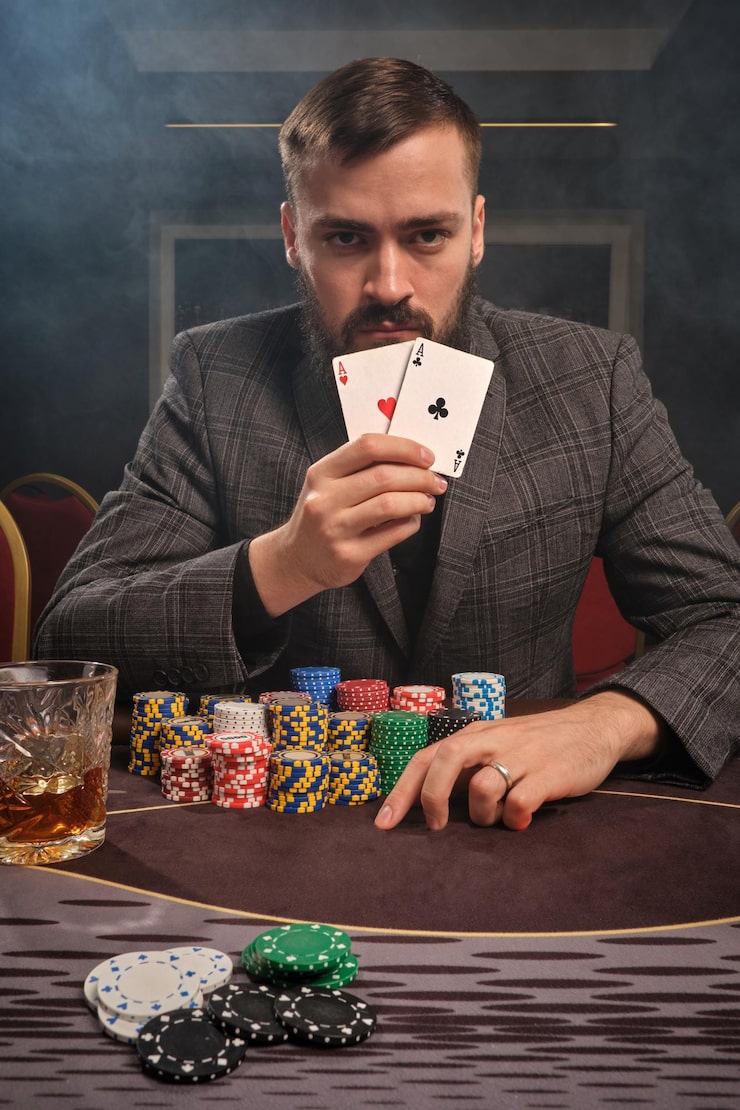
best poker strategies are essential for anyone looking to improve their game and maximize winnings. Whether you play casually with friends or compete professionally, understanding how to approach the game strategically can make a significant difference. Many top players, including Daniel Negreanu, Phil Ivey, Vanessa Selbst, Doyle Brunson, and Erik Seidel, have mastered these strategies to dominate tables worldwide.
Success in poker isn’t just about luck; it’s about decision-making, observation, and adapting to opponents. By studying the methods used by these professional players, you can learn how to improve your own gameplay.
Understanding the Basics
Before diving into advanced techniques, mastering the fundamentals is critical. best poker strategies start with knowing hand rankings, pot odds, position, and betting structures. Playing tight in early positions and loose in later positions can drastically increase your chances of winning.
Observing your opponents is another key element. Noticing patterns in betting, bluffing tendencies, and emotional reactions can give you an edge. Players like Phil Ivey excel at reading others, a skill that is integral to implementing effective poker strategies.
Aggressive Play and Bluffing
Aggression is a core element of best poker strategies. Betting and raising rather than merely calling can pressure opponents into making mistakes. However, knowing when to bluff is just as important. Daniel Negreanu often uses carefully timed bluffs to manipulate the table, demonstrating the delicate balance between aggression and deception.
Bluffing should be based on observation, position, and your table image. If you’ve played tight, occasional bluffs are more likely to succeed because opponents perceive you as cautious. On the other hand, frequent bluffs can backfire, making opponents call more often.
Positional Awareness
Position is one of the most important aspects of best poker strategies. Acting last in a betting round allows you to gather information on how others have played before making your move. This provides a significant advantage when deciding whether to call, raise, or fold.
Players like Vanessa Selbst have excelled at leveraging position to control pots and make optimal decisions. Being aware of your seat relative to the dealer button and adjusting your strategy accordingly is crucial to gaining the upper hand.
Bankroll Management
Even the best poker strategies can fail without proper bankroll management. Establishing limits for losses and wins ensures that you can survive variance and continue playing without risking financial instability. Doyle Brunson, a legend in the poker world, emphasizes that managing money is just as important as managing hands.
By setting limits on how much to stake per game and avoiding tilt, you maintain focus and make more rational decisions. Successful players combine strategic skill with discipline to maximize long-term profits.
Adapting to Opponents
Adapting to different playing styles is another core component of best poker strategies. Some opponents play tight, others are aggressive, while some are unpredictable. Recognizing these patterns and adjusting your approach accordingly can increase your edge.
Erik Seidel, known for his versatility, adapts seamlessly to different tables and players. Learning to vary your strategies keeps opponents off balance and prevents them from predicting your moves.
Advanced Techniques
Advanced best poker strategies include concepts like pot control, implied odds, and semi-bluffing. Controlling the size of the pot allows you to minimize losses with weaker hands and maximize winnings with strong hands.
Semi-bluffing is another powerful tool. Betting or raising with a drawing hand gives you two ways to win: either by forcing opponents to fold or by completing your draw. Incorporating these advanced techniques into your game can elevate your play to a professional level.
Psychological Edge
A crucial part of best poker strategies is maintaining a psychological edge. Staying calm under pressure, avoiding tilt, and reading subtle cues from opponents can dramatically influence outcomes. Many professionals, including Phil Ivey and Daniel Negreanu, excel in using psychology to their advantage.
Confidence, patience, and emotional control are not just soft skills—they are essential tools in winning consistently at poker. Understanding how emotions affect decision-making allows players to stay rational and make the best choices at the table.
Online vs Live Poker
Adapting best poker strategies for online play differs slightly from live poker. Online players often face faster-paced games with more anonymous opponents. Tools like HUDs (Heads-Up Displays) and tracking software provide additional insights into opponents’ tendencies.
Live poker, in contrast, relies heavily on reading physical tells and timing. Understanding these differences ensures that you can apply the right strategies in each environment, maximizing your advantage in both online and offline play.
Continuous Learning
Finally, one of the most important aspects of best poker strategies is continuous learning. Analyzing past games, studying professional matches, and staying updated with new techniques allows you to stay ahead of competitors. Professionals like Vanessa Selbst and Erik Seidel continuously refine their skills to maintain their edge.
Poker is an ever-evolving game. Staying curious and adaptable is key to long-term success.
Read also:
argentina national football team vs ecuador national football team timeline
mexico vs panama line up
mexico vs panama players
uruguay national football team vs brazil national football team lineups
