
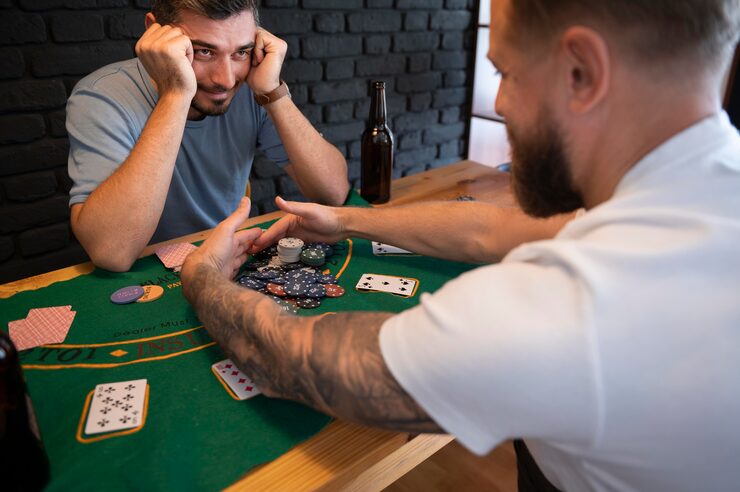
Poker bluffing techniques have fascinated players since the earliest card games were played. Bluffing is more than just a trick—it’s a performance, a calculated move, and sometimes, a bold gamble that can turn the weakest hand into a winning one. Every poker enthusiast has heard of legendary moments when a player with nothing in their hand managed to force others to fold, walking away with the pot. These stories aren’t luck—they are proof of how well-timed strategies can shape a game.
The art of bluffing combines psychology, timing, observation, and courage. In many ways, it mirrors real-life decision-making. You’re not just playing your cards—you’re playing the people sitting across the table. Understanding when to bluff, how to disguise your intentions, and how to read your opponents separates average players from great ones.
Why Poker Bluffing Techniques Matter
Bluffing is what makes poker thrilling. Without it, the game would be predictable, based solely on mathematics and card probabilities. When a player bluffs, they introduce an element of surprise and strategy. Even with poor cards, bluffing creates opportunities to win pots that would otherwise be lost.
For example, imagine holding a weak hand like 7-2 off-suit. Normally, this would be an automatic fold. But with courage and the right approach, you might project confidence and force stronger hands to fold. That’s the power of poker bluffing techniques—they transform hopeless situations into potential victories.
Reading Opponents Before Bluffing
Bluffing without awareness is reckless. The first step to mastering poker bluffing techniques is learning to read your opponents. Watch their habits, timing, and reactions. Does someone always raise with a strong hand? Do they hesitate when bluffing? These small details often reveal far more than the cards themselves.
Experienced players sometimes talk about “tells”—subtle body language signs that indicate nervousness or strength. A trembling hand, an unusual silence, or sudden chatter can all point toward uncertainty. By carefully observing, you gain clues that help determine the right moment to strike with a bluff.
The Semi-Bluff Advantage
One of the smartest poker bluffing techniques is the semi-bluff. This move involves betting aggressively with a hand that isn’t strong yet but has the potential to improve. For example, holding four cards to a flush or a straight draw.
If opponents fold, you win immediately. If they call and your hand improves, you win later with strength. Semi-bluffs reduce risk while keeping pressure on opponents, making them a core weapon in every skilled player’s strategy.
Timing and Position in Bluffing
Bluffing is not just about courage; it’s about timing. A well-timed bluff at the wrong moment can cost you heavily. Position at the table plays a huge role. Being the last to act allows you to observe everyone else’s decisions before making your move. This gives you valuable information and more confidence to execute a bluff.
For instance, if everyone checks before you, it’s often a sign of weakness. A confident bet in that moment can convince the table that you have a strong hand, even when you don’t. Knowing when to apply pressure is what elevates bluffing from random risk to calculated strategy.
Small Bluffs vs. Big Bluffs
Not all bluffs need to be dramatic. Small, frequent bluffs can build your image as an unpredictable player. This forces opponents to second-guess themselves in future hands. Big bluffs, on the other hand, create memorable moments. They require nerves of steel and are usually attempted in high-stakes situations.
A classic example is the “all-in bluff,” where a player risks everything on a weak hand. It’s a dangerous move, but when successful, it creates shockwaves around the table. These daring plays are remembered long after the game ends.
Balancing Bluffing with Honest Play
Too much bluffing can backfire. If opponents catch on, they’ll call you more often, reducing your chances of success. That’s why balancing bluffing with solid, straightforward play is essential.
Great players mix genuine strong hands with occasional bluffs, making it nearly impossible for opponents to predict. This unpredictability is what makes bluffing powerful. By blending honesty with deception, you create a balanced strategy that keeps rivals guessing.
Famous Stories of Bluffing
The history of poker is filled with legendary bluffing moments. In televised tournaments, audiences have witnessed players pushing massive stacks of chips forward with nothing but determination. These moments showcase the drama and excitement of poker bluffing techniques at the highest level.
For instance, in one memorable World Series of Poker event, a professional player went all-in with just a low pair, only to force his opponent with a stronger hand to fold. The crowd erupted, proving that psychology often beats pure card strength. Such stories inspire new players to explore the art of bluffing for themselves.
Online Poker and Bluffing
Bluffing online comes with unique challenges. Without physical tells, players rely on betting patterns, timing, and digital behavior. For example, quick decisions may suggest confidence, while long pauses might indicate uncertainty.
Although different from live poker, poker bluffing techniques still apply in virtual games. Skilled players adapt, learning to read opponents through statistics and tendencies rather than body language.
Controlling Emotions During a Bluff
Bluffing requires nerves of steel. If your body language betrays you, opponents will sense weakness. Controlling your emotions, maintaining a steady demeanor, and projecting confidence are critical to success.
This is where practice and experience make a difference. The more you play, the more comfortable you become with bluffing under pressure. Over time, keeping a “poker face” becomes second nature, allowing you to bluff with authenticity.
Risk and Reward of Bluffing
Bluffing carries risks, but those risks create opportunities for reward. When done correctly, bluffing adds depth and drama to the game. However, it’s essential to accept that not every bluff will succeed. Even the best players are occasionally caught.
What separates experts from beginners is how they handle those moments. Instead of being discouraged, skilled players learn from failed bluffs, refining their approach for the future. Each attempt, successful or not, builds valuable experience.
Bluffing as an Art Form
At its core, bluffing is an art form. It combines psychology, storytelling, and confidence in equal measure. When you bluff, you’re telling a story to the table: “I have the winning hand.” Whether opponents believe that story depends on your skill in selling it.
That’s why poker remains endlessly fascinating. Beyond math and probabilities, it’s the human element—the ability to deceive, persuade, and outthink—that makes the game special. Poker bluffing techniques embody that spirit, turning ordinary games into unforgettable battles of wits.
Read also:
